Featured Course
Manual Handling & Ergonomics
Turn safe movement into everyday confidence with practical manual handling and ergonomics skills that protect your body at work.


Turn safe movement into everyday confidence with practical manual handling and ergonomics skills that protect your body at work.
Poor manual handling causes workplace injuries when workers lift, carry, push, pull, lower, or move loads using unsafe techniques, poor posture, excessive force, or repetitive movements. These actions can lead to back injuries, sprains, strains, overexertion injuries, repetitive strain injuries, and work-related musculoskeletal disorders. Manual handling injuries remain one of the leading causes of lost workdays across industries, making manual handling safety a critical part of any workplace health and safety program.
Manual handling isn't limited to lifting boxes. The UK HSE defines manual handling as transporting or supporting a load by hand or bodily force, including lifting, putting down, pushing, pulling, carrying, or moving loads. Understanding the real scope of manual handling helps employers identify hazards they might otherwise overlook, from moving a patient in a hospital ward to dragging a cart across an uneven warehouse floor.
Poor manual handling means performing physical tasks in a way that increases injury risk. This includes:
In simple terms, poor manual handling is any unsafe movement of a load that exposes workers to unnecessary strain, awkward posture, excessive force, or repetitive stress. Even small, everyday actions — reaching too far, twisting at the waist, or gripping a load incorrectly — add up over time and significantly raise the chance of injury.
Manual handling injuries carry consequences that extend well beyond the individual worker. They contribute to lost workdays, rising medical costs, reduced productivity, and a higher volume of compensation claims. For employees, the impact can include long-term pain, reduced mobility, and lower workforce morale. For employers, unresolved manual handling risks translate into compliance risks and potential regulatory penalties.
OSHA states that ergonomics helps reduce muscle fatigue and the number and severity of work-related MSDs. NIOSH also identifies work conditions such as lifting, pushing, pulling, carrying, awkward postures, vibration, repetition, and work intensity as contributors to work-related musculoskeletal disorders. Together, these findings make it clear that manual handling safety isn't just a compliance checkbox — it's a direct driver of workforce health, retention, and operational efficiency.
Unsafe lifting techniques are one of the most common causes of lifting injuries at work. These include bending from the waist, lifting with a rounded back, holding the load far from the body, jerking the load upward, and lifting without first checking its weight. Each of these habits places excessive stress on the spine and surrounding muscles.
Prevention: Use proper lifting techniques — plan the lift, keep the load close to the body, bend the knees rather than the back, avoid twisting while lifting, and ask for help when a load is too heavy or awkward.These techniques are set out step by step in HSE's good handling technique guidance, covering everything from planning the lift to putting the load down safely.
Manual handling overexertion happens when the body is forced beyond its safe physical capacity. Common examples include lifting heavy boxes in warehouses, moving construction materials, carrying tools or gas cylinders, handling patients manually in healthcare settings, and pulling overloaded carts. These workplace overexertion injuries are a major contributor to heavy lifting injuries and highlight the need for consistent heavy lifting safety practices.
Awkward posture injuries often develop gradually. Twisting while lifting, reaching above shoulder height, bending repeatedly, working in cramped spaces, and carrying uneven loads all place uneven strain on the body. EU-OSHA lists causes of MSDs such as handling loads while bending and twisting, repetitive or forceful movements, awkward or static postures, vibration, poor lighting, and cold work environments — all recognized ergonomic risk factors that increase poor posture at work injuries.

Not every injury comes from a single unsafe lift — many result from cumulative strain. Repeated picking and packing, loading and unloading, healthcare repositioning tasks, assembly line work, and retail stock handling can all lead to a repetitive strain injury at work over time. Recognizing these patterns early is key to repetitive strain injury prevention and broader MSD prevention efforts.
Pushing and pulling injuries frequently stem from avoidable equipment and technique issues: pulling instead of pushing, using damaged trolleys, poor wheel maintenance, uneven floor surfaces, sudden bursts of force, and incorrect handle height. Applying safe pushing techniques and safe pulling techniques — and properly maintaining equipment — reduces strain across all aspects of lifting, pushing, pulling, and carrying.
Even experienced workers can develop unsafe habits over time without regular refreshers. Without proper manual handling training, poor techniques go uncorrected and risks compound. Workers and supervisors can reduce risks by improving their knowledge through a structured Manual Handling & Ergonomics course, especially when tasks involve lifting, carrying, pushing, pulling, repetitive motion, or awkward posture. Ongoing manual handling awareness training and manual handling safety training for employees help ensure safe practices become second nature, not an afterthought.

Manual handling injuries can be prevented by avoiding unnecessary lifting, assessing risks, redesigning tasks, using mechanical aids, training workers, improving ergonomics, and supervising safe work practices. The most effective approach follows a hierarchy of control, starting with eliminating hazardous handling altogether and working down to safer techniques for tasks that can't be avoided.
The first step in any set of manual handling control measures is to remove the hazard entirely. This can be done by using forklifts, pallet jacks, hoists, or conveyors instead of manual lifting, delivering materials closer to work areas to cut down on unnecessary carrying, reducing double-handling of the same load, and reserving team lifting for situations where it's genuinely appropriate. These manual handling prevention measures sit at the top of the manual handling hierarchy of control because eliminating a hazard is always safer than managing it.
Where manual handling can't be avoided, a thorough manual handling risk assessment should evaluate the task, the individual's capability, the load itself, the working environment, the equipment available, and the frequency and duration of the activity. HSE guidance emphasizes reducing manual handling injury risk by avoiding hazardous handling where possible, assessing unavoidable tasks, and taking steps to reduce risk. A consistent approach to ergonomic risk assessment supports better manual handling risk management and stronger manual handling risk control across the organization.
Workplace ergonomics plays a major role in reducing strain before it starts. Practical improvements include better storage height so workers don't need to bend or stretch excessively, adjustable workstations, clear walkways, suitable trolleys, reduced reaching distance, better grip and handles on equipment, and load weight reduction where possible. Investing in ergonomics training alongside these physical changes helps embed manual handling and ergonomics best practices, including proper ergonomic lifting techniques, into everyday work.
Training should cover safe lifting and carrying, safe pushing and pulling, recognizing manual handling hazards, early reporting of pain or discomfort, correct use of mechanical aids, manual handling do's and don'ts, and regular toolbox talks and refresher training. OSHA's ergonomics program guidance highlights practical approaches for controlling ergonomic hazards and preventing work-related MSDs, reinforcing that training is not a one-time event but an ongoing part of workplace safety culture.

Before handling a load, ask:
Keeping this manual handling safety checklist visible in work areas helps reinforce manual handling safety rules and supports consistent manual handling best practices on the ground.

Warehouse lifting injuries are common during order picking, pallet handling, and loading vehicles, where repetitive motion and time pressure combine to increase manual material handling injuries.
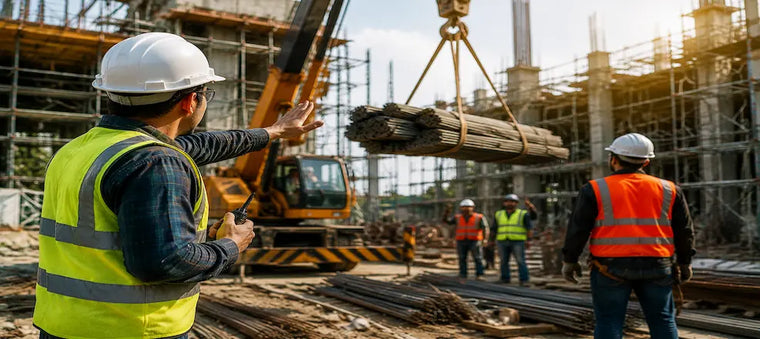
Construction lifting injuries often occur when workers carry cement bags, tools, or materials across uneven ground or through awkward, confined spaces on site.
Patient handling injuries remain a persistent risk in healthcare settings. Moving and handling training, safe repositioning techniques, and proper use of lifting support equipment are essential to protecting both staff and patients.
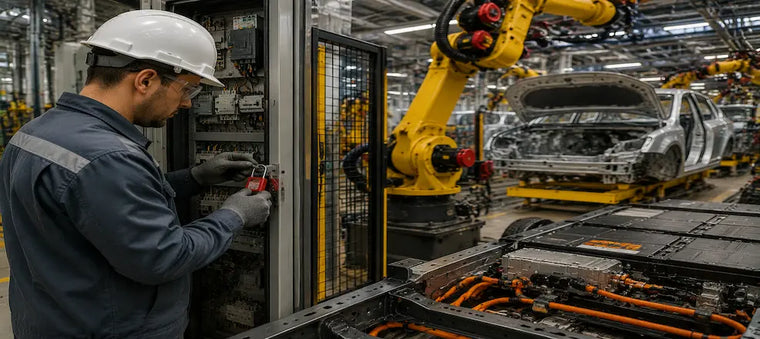
Repetitive line work, awkward access points, heavy parts, and constant tool handling all contribute to cumulative strain injuries in manufacturing and maintenance environments.
Handling cylinders, pipes, and valves in confined access areas and harsh environments creates unique manual handling risks that require specialized controls and equipment.

Poor manual handling injuries are preventable when workers understand the risks and employers apply practical control measures. A structured Manual Handling & Ergonomics course can help workers, supervisors, HSE officers, and job seekers build confidence in safe manual handling, workplace ergonomics, manual handling risk assessment, and injury prevention.
Enroll in Manual Handling & Ergonomics today and strengthen your workplace safety knowledge for global industries, compliance-focused employers, and safer daily work practices.