Confined Space Entry & Rescue

Confined Space Entry and Rescue Training builds the theoretical foundation safety officers, supervisors, and contractors need to recognise confined space hazards, apply the right controls, and judge whether a rescue plan will actually work. It suits anyone moving into occupational safety roles, no prior experience required. Learners finish with a practical understanding of global standards and program design.
  • Spot gaps in entry permits
  • Challenge weak rescue plans
  • Make faster go/no-go calls
  • Explain risk so people act
  • Justify calls during audits
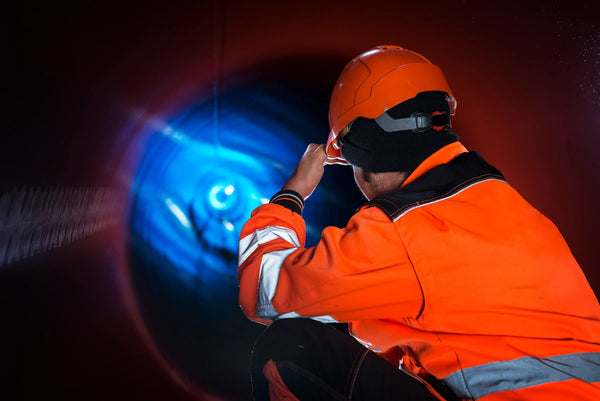
Worker in safety gear inspecting inside a large industrial pipe.

Overview

Why Confined Space Entry and Rescue Training Matters

Confined Space Entry and Rescue Training teaches the hazard recognition, control, and rescue-planning principles required to work safely in spaces such as tanks, silos, sewers, ducts, and process vessels. These environments combine restricted access with hazards that are often invisible: oxygen deficiency, toxic gas build-up, engulfment risk, and mechanical energy, which is why confined space work remains one of the leading causes of multiple-fatality incidents in industrial and municipal settings. Regulators including Occupational Safety in the United States, HSE in the United Kingdom, and equivalent bodies across the EU, Australia, and Asia require formal risk assessment and entry procedures wherever confined spaces exist, and employers increasingly expect staff to understand the reasoning behind those procedures, not just follow them.

This course is structured around seven modules that move from foundational theory through legal frameworks, hazard science, control systems, human factors, rescue governance, and programme maturity. Rather than anchoring to a single national standard, it builds a globally applicable understanding of confined space risk that works whether your organisation operates under occupational safety, HSE, or an ISO-aligned safety management system. Each module pairs conceptual grounding with practical application, so learners can connect regulation and theory to real workplace decisions.

By the end of the course, learners can assess whether a space qualifies as confined, evaluate the adequacy of an entry permit, and judge whether a rescue plan is genuinely workable before anyone goes near the opening. That level of judgement is what separates a compliant paperwork process from a safety programme that actually protects people. 

Rescue team helps a worker out of a confined space using a tripod harness system.


Learning Outcome

  • Identify the physical, atmospheric, and mechanical hazards that make a space "confined" under international OHS definitions.
  • Apply the hierarchy of controls to eliminate, substitute, or reduce confined space risk before entry is even considered.
  • Evaluate atmospheric testing and monitoring strategies used to verify a space is safe to enter and remains safe throughout the work.
  • Analyse the human factors communication breakdowns, time pressure, and normalised risk-taking that contribute to confined space incidents.
  • Assess the feasibility of a rescue plan, including whether non-entry rescue is achievable before authorising entry.
  • Demonstrate understanding of isolation, lockout, and permit-to-work systems used to control confined space entry.
  • Evaluate the duties of care that apply to employers, supervisors, and contractors under major international OHS frameworks.
  • Apply incident-learning and program maturity principles to strengthen a confined space safety program over time.

Who is This Course Suitable For?

  • Health and safety officers responsible for identifying and assessing confined space risks on site.
  • Supervisors and team leaders who authorise or oversee confined space entry work.
  • Facilities and maintenance managers working in industries with tanks, silos, sewers, or process vessels.
  • Contractors and subcontractors who regularly enter confined spaces on client sites.
  • Safety auditors and compliance officers evaluating the maturity of an existing confined space program.
  • Emergency response coordinators involved in planning or reviewing confined space rescue procedures.
  • Engineers and project managers who design or review confined space work procedures before projects begin.
  • Employees returning to confined space duties after an incident, injury, or extended absence.
  • Career changers moving into occupational health and safety roles who need a strong theoretical foundation.

Requirements

  • No prior confined space or safety experience is required to start this course.
  • A general understanding of workplace safety principles is helpful but not mandatory.
  • Learners need a stable internet connection and a device capable of streaming course content.
  • No formal qualifications or entry exams are required to enrol.

Career Opportunities

  • Confined Space Safety Officer — Plans and oversees confined space entry procedures on site, ensuring atmospheric testing, permits, and controls are correctly applied.
  • Health, Safety & Environment (HSE) Advisor — Supports multiple departments with risk assessments, training, and regulatory compliance across confined space and other high-risk work.
  • Rescue Program Coordinator — Designs and stress-tests confined space rescue plans, ensuring rescue teams and equipment can respond within a viable timeframe.
  • Permit-to-Work and Compliance Auditor — Reviews entry permits, isolation records, and documentation to confirm confined space work meets regulatory and internal standards.
  • Site Safety Supervisor — Manages day-to-day safety on industrial or construction sites, including authorising and monitoring confined space entries.
  • Occupational Health and Safety Consultant — Advises multiple organisations on confined space program design, gap analysis, and safety maturity improvements.
  • Safety Training Coordinator — Develops and delivers internal training programs, including confined space awareness and refresher courses for existing staff.

Course Curriculum

7 sections28 lectures
Confined Space Concepts
Confined Space Risk Taxonomy
Entry Avoidance Philosophy
Modern Safety Science
International OHS Frameworks
Duties of Care and Contractor Accountability
Regulatory Architecture
Compliance Without Local Bias
Atmospheric Instability
Contaminant Generation
Energy and Process Hazards
Entrapment and Engulfment
Hierarchy of Controls
Isolation and Verification
Atmospheric Control Strategy
Barrier and Authorization Systems
Human Error and Drift
Communication Reliability
Decision-Making Under Stress
Learning-Centered Organizations
Rescue Hierarchy
Rescue Feasibility Theory
Rescue Systems and Equipment Theory
Emergency Command Concepts
Competence Governance
Digital Safety Systems
Incident Learning Theory
Program Maturity Models

Frequently Asked Questions

In most jurisdictions, yes, regulators such as OSHA, HSE, and EU member-state authorities require employers to ensure that anyone entering or supervising confined space work has adequate training. The exact legal requirement depends on your country and industry, but a documented, competency-based understanding of confined space risk is expected almost everywhere confined spaces exist. This course provides that theoretical foundation, which employers can build on with site-specific practical training.

Entry training focuses on recognising, assessing, and controlling the hazards of working inside a confined space, such as atmospheric testing and permit systems. Rescue training focuses specifically on how to safely remove someone from a confined space in an emergency, including non-entry rescue and rescue team coordination. This course covers both areas at a theoretical and program-design level, giving learners a complete picture of how entry and rescue planning fit together.

The course is self-paced and organised into seven modules, covering confined space theory, legal frameworks, hazard science, control systems, human factors, rescue governance, and program maturity. Most learners complete it across a few focused study sessions, though the exact time depends on prior experience and how quickly you move through each module. Each module is designed to be completed independently, so you can study around work commitments.

A confined space is generally defined as an area large enough for a person to enter and perform work, with limited or restricted means of entry and exit, that is not designed for continuous occupancy. Common examples include tanks, silos, sewers, ducts, pits, and process vessels. The exact legal definition varies slightly by country, which is why the course teaches the underlying risk logic rather than a single fixed checklist.

No prior confined space or safety experience is required to enrol. The course is written to be accessible to complete beginners while still offering enough depth for supervisors, auditors, and safety professionals who already work in the field.

A recognised certification demonstrates to employers that you understand confined space risk at a program level, not just as a procedural checklist. This matters for roles involving supervision, auditing, or safety program design, where judgement about risk and rescue feasibility is part of the job. It can also help differentiate your application when competing for safety-focused roles in regulated industries.

Confined spaces combine restricted access with hazards that are often invisible, including oxygen deficiency, toxic gas, and engulfment risk, which makes them one of the more dangerous categories of workplace incident. Without proper training, workers and supervisors are more likely to misjudge atmospheric conditions or authorise entry without a workable rescue plan. Given that a large share of confined space fatalities involve people attempting rescue without adequate preparation, this is not a training gap organisations can safely leave unaddressed.

Yes, the course is built around international OHS frameworks rather than a single country's regulations, so the underlying knowledge applies globally. That said, local law may still require site-specific or country-specific practical training in addition to this course, and learners should check their own jurisdiction's requirements.