PPE (Personal Protective Equipment) Selection & Use

Master PPE selection and use with practical training in hazard assessment, compliance, and workplace protection strategies.
  • Hazard Recognition
  • PPE Selection
  • Risk Assessment
  • Compliance Awareness
  • Inclusive Safety Practices
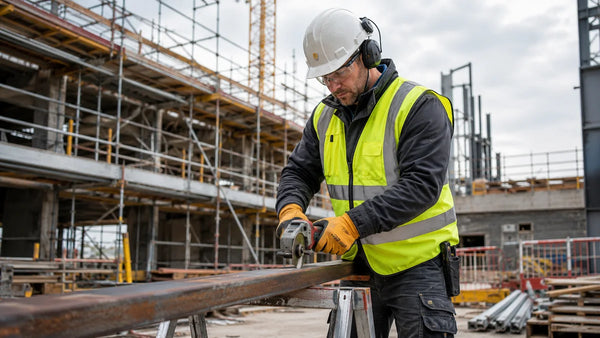
Construction worker wearing a hard hat, safety goggles, ear protection, gloves, and high visibility vest while operating tools on a building site to demonstrate proper personal protective equipment use.

Overview

This PPE training course teaches learners how to select, fit, and use personal protective equipment correctly across mechanical, chemical, biological, and physical workplace hazards. Every year, workers suffer preventable injuries because PPE was missing, poorly fitted, or mismatched to the actual hazard it was meant to control. This course closes that gap by combining hazard assessment principles with practical, hazard-specific PPE selection guidance.

PPE is only effective when it is chosen correctly, positioned as the last line of defence within the hierarchy of controls, and properly maintained by both employers and workers. As a result, this course covers global regulatory frameworks — including OSHA requirements, the EU PPE Regulation 2016/425, and obligations recognised by the UK, Australia, Canada, and the ILO — so learners understand PPE duties wherever they work.

For example, learners will explore PPE selection by hazard type and by body protection area, along with fit, compatibility, and inclusive selection principles. In addition, the course is built for a global audience, making it useful for supervisors, safety officers, HR professionals, and workers across construction, manufacturing, healthcare, and other high-risk sectors.

Workplace safety team reviewing personal protective equipment including helmets, gloves, goggles, respirators, and safety boots during PPE selection and hazard protection training in an industrial environment.

Learning Outcome

By the end of this course, learners will be able to:

  • Understand the definition, scope, and protective limitations of PPE
  • Apply the hierarchy of controls to justify PPE as a last-resort measure
  • Identify workplace hazards that require PPE intervention
  • Assess risk based on severity, likelihood, and exposure route
  • Explain OSHA, EU, UK, Australian, Canadian, and ILO PPE obligations
  • Recognise employer, worker, contractor, and visitor responsibilities
  • Select appropriate PPE for mechanical, chemical, biological, and physical hazards
  • Determine correct PPE for head, eye, face, hand, foot, and respiratory protection
  • Assess PPE fit, compatibility, and layering to avoid interference risks
  • Implement inclusive PPE practices for gender, body size, disability, and cultural needs

Who is This Course Suitable For?

This course is ideal for:

  • Beginners with no prior safety training — the course builds PPE knowledge from foundational principles with no assumed background
  • Employees in construction, manufacturing, and warehousing — where mechanical and physical hazards make correct PPE selection essential
  • Supervisors and team leaders responsible for enforcing PPE compliance among their teams
  • HR and compliance professionals managing PPE training records and onboarding documentation
  • Health and safety officers who need to assess hazards and specify PPE requirements
  • Job seekers building workplace safety credentials to strengthen their applications
  • Employers and managers needing structured, compliant PPE training for their workforce
  • International professionals working under OSHA, EU, UK, or ILO safety frameworks
  • Healthcare and laboratory staff exposed to biological or chemical hazards
  • Contractors and site visitors who need a working understanding of site PPE rules

Requirements

  • No prior occupational safety knowledge required
  • Basic English reading and comprehension
  • An interest in workplace safety, risk reduction, or professional development
  • Access to a computer, tablet, or smartphone with an internet connection
  • No specialist equipment or software needed
  • No prior PPE or hazard assessment experience necessary

Career Opportunities

Completing this PPE training course helps learners pursue or strengthen the following safety-focused roles:

Health and Safety Officer Applies PPE selection and hazard assessment skills to inspect workplaces and enforce compliance. Salaries typically range from £24,000–£42,000 in the UK and $45,000–$70,000 in the US.

Site Safety Supervisor Uses PPE and hierarchy-of-controls knowledge to manage on-site compliance for construction or industrial teams. Builds practical enforcement and training skills.

HSE Coordinator Coordinates PPE programmes, training records, and regulatory documentation across departments. Supports audit readiness and onboarding processes.

Compliance Officer Applies global PPE regulatory knowledge (OSHA, EU 2016/425, ILO) to keep organisations aligned with legal obligations across regions.

Occupational Health and Safety Advisor Advises management on hazard-specific PPE selection, fit, and inclusive equipment practices for diverse workforces.

Warehouse or Manufacturing Safety Lead Applies mechanical and physical hazard PPE knowledge to reduce injury rates on production floors.

Facilities or Operations Manager Oversees PPE procurement, compatibility, and worker consultation as part of broader operational safety duties.

Course Curriculum

5 sections20 lectures
PPE Definition, Scope, and Protective Limitations
Hierarchy of Controls and PPE as Last Defense
Hazard Identification for PPE Selection
Risk Assessment by Severity, Likelihood, and Exposure Route
OSHA PPE Duties and Hazard Assessment Requirements
EU PPE Regulation 2016/425 and Product Conformity
UK, Australia, Canada, and ILO PPE Obligations
Employer, Worker, Contractor, and Visitor Responsibilities
Mechanical Hazards: Impact, Cuts, Punctures, and Abrasion
Chemical Hazards: Skin Contact, Splash, Vapors, and Toxic Exposure
Biological Hazards: Contact, Droplets, Aerosols, and Contamination
Physical Hazards: Noise, Heat, Cold, Radiation, and Electricity
Head, Eye, and Face Protection Requirements
Hand, Arm, Foot, and Leg Protection Criteria
Respiratory Protective Equipment Selection Principles
Protective Clothing, High-Visibility Wear, and Fall Protection Systems
PPE Fit, Sizing, Comfort, and Worker Acceptance
PPE Compatibility, Layering, and Interference Risks
Inclusive PPE for Gender, Body Size, Disability, and Cultural Needs
Ethical Duties in Worker Consultation and Equal Protection

Frequently Asked Questions

PPE training teaches workers and safety professionals how to identify hazards and select, fit, and use personal protective equipment correctly. It covers equipment types, regulatory duties, and hazard-specific selection principles. This course also explains where PPE fits within the wider hierarchy of controls.

Many construction employers require PPE training as part of site induction or compliance policy, though specific legal requirements vary by country and employer. This course provides globally relevant PPE knowledge that supports site safety inductions. Always confirm exact requirements with your local regulator or employer.

In many jurisdictions, employers are legally required to assess hazards and provide appropriate PPE, including OSHA in the US and the EU PPE Regulation 2016/425 in Europe. Specific training obligations vary by country and industry. This course helps learners understand these general regulatory duties.

PPE training helps employees recognise hazards, choose the right equipment, and reduce their risk of workplace injury. It also strengthens compliance with employer and regulatory requirements. For many workers, it supports career progression into supervisory or safety-focused roles.

Roles such as health and safety officers, site supervisors, HSE coordinators, and compliance officers often value or require PPE training. It is also relevant for construction, manufacturing, healthcare, and warehouse employees. Many employers treat it as a standard onboarding requirement.

PPE is the last and least preferred level within the hierarchy of controls, used only after elimination, substitution, engineering, and administrative controls have been applied. This course explains why PPE should never be the first or only safety measure. Understanding this hierarchy is central to effective hazard management.

OSHA requires employers to assess workplace hazards and provide appropriate PPE, which may include head, eye, hand, foot, respiratory, or fall protection depending on the hazard. Exact requirements depend on the specific workplace and task. This course explains OSHA's general hazard assessment and PPE duties in detail.