Radiation Safety & Protection

Certified radiation safety training online - covering dosimetry, shielding, and compliance for global workplace safety careers.
  • Radiation Hazard Awareness
  • Dose Monitoring
  • Shielding Techniques
  • Contamination Control
  • Regulatory Compliance
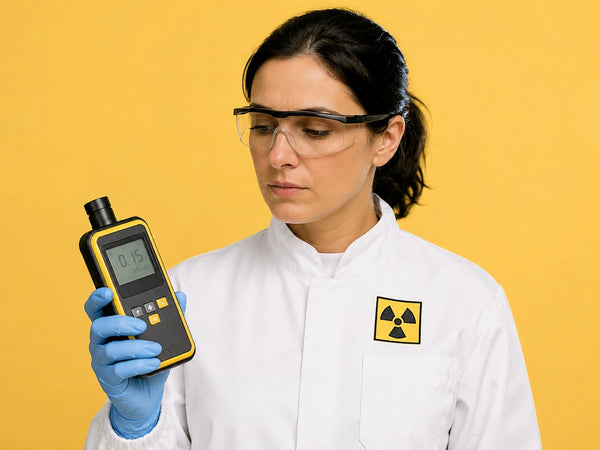
Radiation safety professional in protective lab coat, gloves, and goggles checking a Geiger counter reading, representing radiation monitoring, PPE, and workplace protection training.

Overview

Radiation safety training online is essential for anyone working around ionizing radiation sources, from hospitals and research labs to industrial and energy sites. Every year, workplaces handling radioactive materials face serious risks if staff lack proper radiation protection knowledge - from accidental overexposure to non-compliance with regulatory dose limits. This course gives learners a structured, practical understanding of radiation hazards and how to control them safely.

Radiation exposure isn't limited to nuclear facilities. Hospitals performing X-rays and CT scans, industrial radiography sites, research institutions, and even airport security operations all involve ionizing radiation. As a result, employers across many sectors are legally required to provide radiation protection training to staff who work near these sources. This means the skills covered in this course apply to a wide range of global industries and job roles.

By completing this course, learners will understand radiation types, exposure pathways, detection and monitoring methods, and the shielding and compliance measures used to keep workers safe. In addition, the course explains how radiation regulations function across different countries, making it relevant for professionals working under OSHA, EU-OSHA, HSE, or other national frameworks. Whether you're new to occupational safety or already working in a radiation-exposed environment, this course builds practical, transferable knowledge.

Workers in full protective suits review safety procedures in a restricted quarantine area, representing radiation safety, hazardous area control, PPE, and workplace protection.

Learning Outcome

By the end of this course, learners will be able to:

  • Understand the basic principles of radiation and radioactivity
  • Identify different types of ionizing radiation and their exposure pathways
  • Apply core radiation safety principles (time, distance, shielding) in daily work
  • Recognise the health effects associated with radiation exposure
  • Assess radiation dose and risk using standard measurement units
  • Demonstrate correct use of radiation detection instruments and personal dosimetry
  • Conduct basic radiation surveys and contamination control checks
  • Implement shielding and engineering controls in a workplace setting
  • Follow radiation safety regulations relevant to medical, industrial, and research settings
  • Manage radiation protection programs, including transport and source security requirements

Who is This Course Suitable For?

This course is ideal for:

  • Beginners with no prior radiation safety training who need a solid foundation
  • Employees in healthcare, industrial radiography, or research sectors working near radiation sources
  • Supervisors and team leaders responsible for staff working with radioactive materials
  • HR and compliance professionals managing radiation safety training records
  • Health and safety officers expanding their expertise into radiation protection
  • Job seekers building radiation protection credentials for career advancement
  • Employers and managers needing compliant workforce radiation safety training
  • International professionals working under OSHA, EU-OSHA, HSE, or similar frameworks
  • Laboratory and research staff handling radioactive isotopes
  • Transport and logistics staff involved in moving radioactive materials

Requirements

  • No prior radiation safety knowledge required
  • Basic English reading and comprehension
  • An interest in workplace safety, risk reduction, or professional development
  • Access to a computer, tablet, or smartphone with an internet connection
  • No specialist equipment or software needed
  • No prior science background required, though basic familiarity with workplace safety is helpful

Career Opportunities

This radiation safety training online supports a range of careers where radiation protection knowledge is a valuable, in-demand skill.

Radiation Protection Officer This course builds the core knowledge needed to monitor exposure and enforce protection protocols. Salaries typically range from £28,000–£50,000 in the UK and $50,000–$85,000 in the US.

Radiographer / Radiologic Technologist Learners gain a solid grounding in dose measurement and safe imaging practices used daily in this role. Pay varies by qualification level and region.

Health and Safety Officer (Radiation Focus) The course strengthens skills in hazard identification, compliance, and program management for safety officers. Ranges from £27,000–£45,000 in the UK.

Industrial Radiographer Covers shielding, PPE, and safe work planning directly relevant to non-destructive testing roles. Typically $45,000–$70,000 in the US.

Nuclear Medicine Technologist Builds understanding of dose limits and monitoring instruments used in medical imaging settings. Requires additional clinical qualifications.

Environmental Health and Safety (EHS) Specialist Adds radiation-specific competence to a broader EHS skill set, useful across multiple industries.

Compliance and Regulatory Affairs Officer Supports understanding of radiation regulations for organisations managing licensing and reporting obligations.

Course Curriculum

5 sections20 lectures
Radiation and Radioactivity
Ionizing Radiation Types
Exposure Pathways
Safety Principles
Body Interaction
Health Effects
Dose and Risk Measurement
Risk Communication
Detection Instruments
Personal Dosimetry
Surveys and Contamination Control
Calibration and Quality Control
Shielding and Engineering Controls
Safe Work Planning
PPE and Human Factors
Program Management
Radiation Regulations
Medical Radiation Safety
Industrial, Research, and Environmental Safety
Transport and Source Security

Frequently Asked Questions

Radiation safety training teaches workers how to recognise, measure, and control exposure to ionizing radiation. It covers detection instruments, shielding methods, dose limits, and safe work practices. This training helps organisations meet workplace safety obligations while protecting staff health.

In most regulated industries, yes — employers are legally required to provide radiation safety training before staff work near radioactive sources. Requirements vary by country and sector, so it's important to check local regulations. This course provides a strong foundational understanding applicable across settings.

In many countries, employers must provide radiation protection training under occupational health and safety regulations, including frameworks referenced by OSHA, EU-OSHA, and HSE. Specific legal requirements depend on the country and industry involved. This course supports that compliance need with structured, practical content.

Radiation safety training reduces the risk of accidental overexposure and helps employees understand how to work safely around radiation sources. It also supports regulatory compliance and strengthens an organisation's overall safety culture. For employees, it builds transferable, career-relevant skills.

Roles such as radiographers, radiation protection officers, industrial radiographers, and nuclear medicine technologists commonly require radiation safety training. Health and safety officers in relevant industries also benefit from this certification. It's relevant across healthcare, industrial, and research sectors.

This course covers radiation basics, health effects and risk measurement, detection and monitoring instruments, protection and compliance methods, and regulations across medical, industrial, and research settings. It's structured to build knowledge progressively from foundational to applied topics.

Yes, this course is designed for learners with no prior radiation safety knowledge. It starts with foundational concepts before progressing to detection, protection, and regulatory topics. No science background is required to follow the material.