Radiation Safety & Protection

Build practical radiation safety skills online — covering ALARA, dosimetry, shielding, and global protection standards.
  • Radiation Hazard Awareness
  • Dose Control
  • ALARA Application
  • Safe Handling Practices
  • Emergency Response Readiness
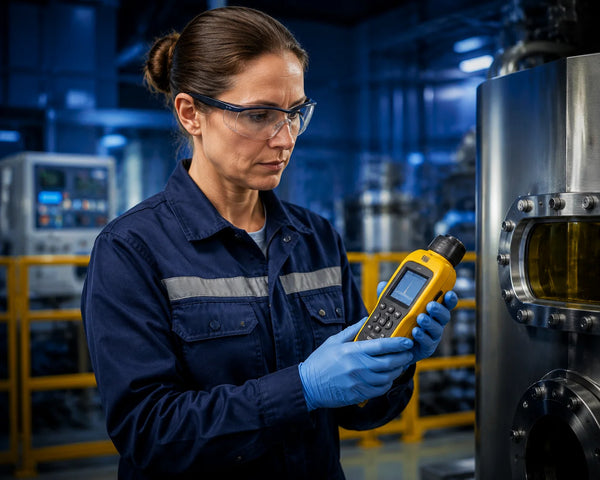
European radiation safety specialist wearing protective eyewear and gloves using a radiation detector to monitor exposure levels in an industrial facility

Overview

Radiation safety training online is essential for anyone working in environments where ionizing radiation is present, from hospitals and laboratories to nuclear facilities and industrial sites. Exposure to radiation without proper controls can cause serious health effects, including tissue damage and increased cancer risk, which is why regulatory bodies such as the IAEA, ICRP, and national licensing authorities require structured training and monitoring. This course addresses that real workplace need directly.

This course helps learners understand the risks of ionizing radiation and the practical controls used to manage them. As a result, learners gain the knowledge needed to reduce exposure through time, distance, and shielding techniques, apply the ALARA principle, and follow safe handling procedures for radioactive materials. In addition, the course covers global standards and licensing systems, giving learners a framework that applies across different countries and industries.

Whether you are new to radiation safety or looking to formalize existing workplace knowledge, this course is built for global learners and professionals. It combines foundational science with practical protection practices, regulatory context, and emergency response preparedness, making it relevant for healthcare, industrial, and research settings worldwide.

Team of European radiation safety professionals in protective lab coats reviewing radiation protection procedures with monitoring equipment in a controlled facility

Learning Outcome

By the end of this course, learners will be able to:

  • Understand the types and sources of ionizing radiation and their associated risks
  • Identify the biological effects of radiation exposure on the human body
  • Apply radiation units and dose measurement principles correctly
  • Explain the principles of justification, optimization, and dose limitation
  • Apply time, distance, and shielding techniques to reduce exposure
  • Follow the ALARA principle to keep radiation exposure as low as reasonably achievable
  • Demonstrate correct use of personal protective equipment for radiation work
  • Recognise IAEA, ICRP, and WHO guidance relevant to radiation protection
  • Conduct personal and workplace radiation monitoring procedures
  • Implement emergency response steps for radiation incidents

Who is This Course Suitable For?

This course is ideal for:

  • Beginners with no prior radiation safety training who need a solid foundation
  • Healthcare workers in radiology, nuclear medicine, or diagnostic imaging roles
  • Industrial workers handling radioactive materials or radiographic equipment
  • Supervisors and team leaders responsible for staff safety in radiation-exposed areas
  • HR and compliance professionals managing radiation safety training records
  • Health and safety officers expanding their expertise into radiation protection
  • Job seekers building specialized workplace safety credentials
  • Employers and managers needing compliant workforce training for radiation risks
  • Laboratory and research personnel working with radioactive isotopes
  • International professionals working under IAEA, EU, UK, or US safety frameworks

Requirements

  • No prior radiation safety knowledge required
  • Basic English reading and comprehension
  • An interest in workplace safety, risk reduction, or professional development
  • Access to a computer, tablet, or smartphone with internet connection
  • No specialist equipment or software needed
  • Helpful, though not required: familiarity with general occupational safety principles

Career Opportunities

Completing this course strengthens your credentials for a range of roles where radiation safety knowledge is required or highly valued.

Radiation Safety Officer Manages radiation protection programs, monitoring, and compliance across a facility. This course builds the technical foundation needed for the role. Salaries typically range from £30,000–£50,000 in the UK and $50,000–$85,000 in the US.

Radiographer / Radiologic Technologist Operates imaging equipment safely while minimizing patient and staff exposure. The course reinforces dose control and PPE practices used daily in this role.

Health and Safety Officer (Radiation Focus) Oversees workplace compliance with radiation regulations and safety procedures. This course adds specialized radiation knowledge to a general safety background.

Nuclear Facility Technician Works directly with radioactive materials under strict safety protocols. The course covers shielding, ALARA, and safe handling procedures relevant to this work.

Environmental Health and Safety (EHS) Specialist Supports organization-wide compliance, including radiation-related hazards. The course provides regulatory context applicable to EHS reporting and audits.

Laboratory Safety Coordinator Manages safe use and storage of radioactive isotopes in research settings. This course supports safe handling, monitoring, and waste management practices.

Compliance and Regulatory Affairs Officer Ensures organizational adherence to IAEA, ICRP, and national radiation licensing requirements. The course builds working knowledge of these global standards.

Course Curriculum

5 sections20 lectures
Types and Sources of Ionizing Radiation
Biological Effects of Radiation
Radiation Units and Dose Measurement
Justification, Optimization and Dose Limitation
Time, Distance and Shielding
ALARA and Exposure Control
Personal Protective Equipment
Safe Handling and Work Procedures
IAEA Safety Standards
ICRP Radiation Protection Guidelines
WHO and International Health Guidance
National Regulations and Licensing Systems
Radiation Safety Training Protocols
Personal and Workplace Monitoring
Radioactive Material and Waste Management
Incident Response and Emergency Preparedness
Radiation Detection and Dosimetry Tools
Equipment Calibration and Quality Assurance
Global Radiation Safety Challenges
Digital Monitoring, Robotics and Artificial Intelligence

Frequently Asked Questions

Radiation safety training teaches learners how to identify, assess, and control risks from ionizing radiation in the workplace. It covers dose limits, protective equipment, and safe handling procedures. The training also introduces global standards such as IAEA and ICRP guidelines. It is designed for anyone working near or with radiation sources.

In most regulated industries, yes, some form of radiation safety training or certification is required before working with radioactive materials. Requirements vary by country and sector, but employers generally mandate documented training. This course provides a strong foundation that supports compliance efforts. Always confirm specific licensing rules with your local regulatory authority.

In many countries, radiation safety training is a legal requirement for workers exposed to ionizing radiation. Regulations are typically set by national nuclear or health authorities, informed by IAEA and ICRP guidance. This course covers the underlying principles behind these requirements. It is not a substitute for jurisdiction-specific licensing, where applicable.

You can get a radiation safety certificate online by completing a structured course like this one, which covers radiation fundamentals, protection practices, and global standards. Upon completion, learners receive a digital certificate. This route offers a flexible, self-paced way to build radiation safety knowledge from anywhere.

 Radiation safety training reduces workplace exposure risks and helps employees understand how to protect themselves and others. It also supports regulatory compliance and reduces liability for employers. For employees, it strengthens career credentials and demonstrates safety competency. This makes the workplace safer and more compliant overall.

Jobs that often require radiation safety certification include radiographers, radiation safety officers, nuclear facility technicians, and laboratory personnel working with isotopes. Health and safety officers in radiation-exposed industries also benefit from this credential. Requirements depend on the specific role and jurisdiction.

Yes, this course is suitable for beginners with no prior radiation safety knowledge. It starts with foundational concepts before progressing to protection practices, global standards, and emergency management. Clear explanations and structured modules make it accessible to global learners at all experience levels.