Respiratory Protection

Build respirator selection, fit testing, and hazard control skills with practical respiratory protection training for global safety careers.
  • Hazard Recognition
  • Respirator Selection
  • Fit Testing
  • Exposure Control
  • Compliance Awareness
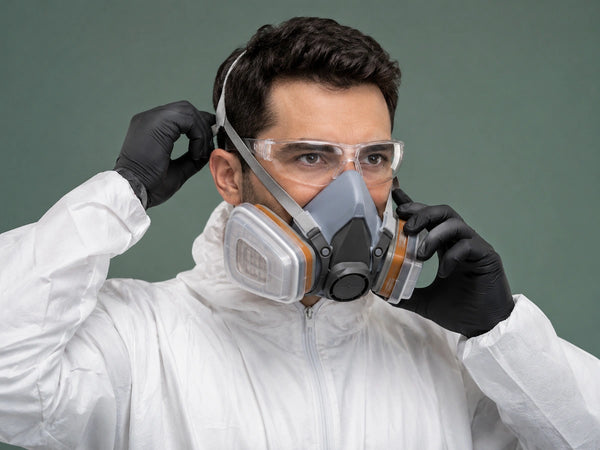
Safety worker in protective coverall, gloves, and goggles adjusts a respirator mask, showing proper fit testing and respiratory protection for airborne hazards.

Overview

Workplace exposure to airborne hazards causes thousands of preventable respiratory illnesses each year. This respiratory protection training course teaches learners worldwide how to identify airborne risks, select the right respirator, and build a compliant protection program for any workplace. It is designed for anyone who works around dust, fumes, gases, or biological aerosols and needs a clear, practical understanding of how to stay safe.

Poor respiratory protection remains one of the most common gaps in workplace safety programs, contributing to long-term conditions such as occupational lung disease and silica-related illness. This course closes that gap by covering hazard recognition, respirator selection, fit testing, and program management in a structured, easy-to-follow format grounded in recognized frameworks such as the OSHA respiratory protection standard and ISO 45001 principles.

By the end of this respiratory protection course, learners will understand how to assess exposure risks, choose appropriate air-purifying or atmosphere-supplying respirators, and support a compliant respiratory protection program at their organization. Whether you are new to occupational safety or looking to formalize existing knowledge, this course provides globally relevant, job-ready skills.

Industrial workers wearing respirators, masks, gloves, and safety goggles take part in respiratory protection training for dust, fumes, gases, and airborne workplace hazards.

Learning Outcome

By the end of this course, learners will be able to:

  • Understand how the respiratory system is affected by airborne contaminants and exposure pathways
  • Identify common airborne hazards, aerosols, and their associated health effects
  • Recognise global exposure trends and emerging respiratory risks across industries
  • Apply knowledge of respirator types, including air-purifying and atmosphere-supplying devices
  • Assess filtration science and protection factors when selecting equipment
  • Conduct exposure assessments using recognised hazard identification and monitoring methods
  • Apply the hierarchy of controls to reduce respiratory exposure in the workplace
  • Manage core components of a respiratory protection program
  • Demonstrate correct respirator fit testing and performance verification procedures
  • Explain human factors that influence compliance and safe respirator use

Who is This Course Suitable For?

This course is ideal for:

  • Beginners with no prior safety training — the course builds respiratory safety knowledge from the ground up, with no assumed background
  • Employees in construction, manufacturing, and mining — industries where dust, fumes, and particulates are daily exposure risks
  • Healthcare and laboratory workers — roles requiring respirator use around airborne biological hazards
  • Supervisors and team leaders — professionals responsible for enforcing respiratory protection on-site
  • HR and compliance professionals — those managing training records and respiratory protection program documentation
  • Health and safety officers — practitioners looking to strengthen their exposure assessment and control knowledge
  • Job seekers building workplace safety credentials — candidates who want a recognised, career-relevant qualification
  • Employers and managers — those needing compliant, verifiable training for their workforce
  • International professionals — anyone working under EU-OSHA, HSE, OSHA, or comparable safety frameworks

Requirements

  • No prior occupational safety knowledge required
  • Basic English reading and comprehension
  • An interest in workplace safety, risk reduction, or professional development
  • Access to a computer, tablet, or smartphone with an internet connection
  • No specialist equipment or software needed
  • No prior respirator certification required to enroll

Career Opportunities

Completing this respiratory protection training course supports a range of safety-focused career paths across multiple industries.

Health and Safety Officer Applies exposure assessment and hazard control knowledge from this course to manage day-to-day workplace safety. Salaries typically range from £25,000–£45,000 in the UK and $45,000–$75,000 in the US.

Industrial Hygienist Uses exposure monitoring and risk assessment skills gained here to evaluate and control airborne workplace hazards. Salaries typically range from £30,000–£55,000 in the UK and $55,000–$90,000 in the US.

Construction Safety Supervisor Applies respirator selection and fit testing knowledge to protect site workers from dust and particulate exposure. Salaries typically range from £28,000–£48,000 in the UK and $50,000–$80,000 in the US.

EHS (Environmental, Health & Safety) Coordinator Uses program management skills from this course to maintain compliant respiratory protection documentation. Salaries typically range from £27,000–£46,000 in the UK and $48,000–$78,000 in the US.

Occupational Health Advisor Applies knowledge of respiratory hazards and health effects to support worker wellbeing programs. Salaries typically range from £26,000–£44,000 in the UK and $46,000–$76,000 in the US.

Compliance Manager Uses respiratory protection program knowledge to ensure organisational adherence to safety standards. Salaries typically range from £32,000–£58,000 in the UK and $58,000–$95,000 in the US.

PPE and Safety Equipment Specialist Applies filtration science and equipment limitation knowledge to advise on respirator procurement and use. Salaries typically range from £24,000–£42,000 in the UK and $42,000–$72,000 in the US.

Course Curriculum

5 sections20 lectures
Respiratory System and Exposure Pathways
Airborne Contaminants and Aerosols
Respiratory Hazards and Health Effects
Global Exposure Trends and Emerging Risks
Respirator Types and Performance Concepts
Air-Purifying and Atmosphere-Supplying Respirators
Filtration Science and Protection Factors
Respirator Selection and Equipment Limitations
Hazard Identification and Exposure Monitoring
Respiratory Risk Assessment Methods
Hierarchy of Controls and Exposure Reduction
Respiratory Protection Program Management
Respiratory Protection Across Industries
High-Risk Operations and Emergency Response
Fit Testing and Performance Verification
Human Factors and Compliance Behavior
Smart Respirators and Wearable Technologies
Artificial Intelligence and Exposure Analytics
Sustainability and Global Implementation Challenges
Future Risks and Global Respiratory Protection Trends

Frequently Asked Questions

Respiratory protection training teaches workers how to recognise airborne hazards and use respirators correctly to prevent exposure. It covers hazard identification, respirator types, fit testing, and program management. This course applies these principles across industries including construction, manufacturing, and healthcare. It is designed for both beginners and safety professionals.

Many construction roles involving dust or particulate exposure require some form of respiratory protection training. Requirements vary by country and employer, so it is important to check local regulations. This course provides the foundational knowledge needed to meet common workplace expectations. It also supports broader safety credentials for construction workers.

In many jurisdictions, employers must provide respiratory protection training where airborne hazards exist, such as under OSHA or EU-OSHA frameworks. Specific legal requirements depend on your country, industry, and exposure risk level. This course builds the knowledge needed to support compliance efforts. Learners should confirm exact legal obligations with their employer or regulator.

Respiratory protection training helps employees recognise airborne risks and use protective equipment correctly, reducing exposure-related illness. It also builds confidence in following workplace safety procedures. For employers, trained staff support stronger compliance and fewer safety incidents. Employees also gain a transferable, career-relevant credential.

Roles in construction, manufacturing, mining, healthcare, and laboratory settings commonly require respiratory protection knowledge due to airborne hazard exposure. Health and safety officers, industrial hygienists, and EHS coordinators also rely on this training. This course supports all of these career paths. It is equally useful for supervisors overseeing frontline workers.

Fit testing is typically recommended at least annually, or whenever there is a change in respirator model, fit, or the wearer's facial structure. Exact frequency requirements depend on local regulations and employer policy. This course explains fit testing procedures and performance verification in detail. It also covers why consistent testing matters for protection reliability.

Air-purifying respirators filter contaminants from the surrounding air, while supplied-air respirators deliver clean air from an independent source. The right choice depends on the hazard type and its concentration. This course explains both categories, including performance concepts and equipment limitations. Learners also cover how to match respirator type to specific workplace risks.