Silica Awareness / Dust Control

Practical silica awareness training covering dust hazards, exposure control, and PPE — designed for construction and industrial workers.
  • Dust Hazard Recognition
  • Risk Control Methods
  • Safe Work Practices
  • PPE Application
  • Exposure Prevention
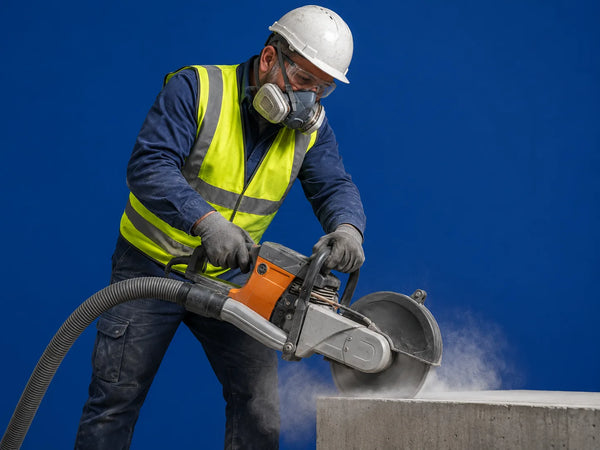
Construction worker wearing PPE and respirator using a concrete saw with vacuum dust extraction to control respirable silica dust during cutting work.

Overview

Every year, workers who cut, drill, or grind materials like concrete, brick, and stone are exposed to respirable crystalline silica dust - a hazard linked to silicosis and other serious lung conditions. Silica awareness training gives workers and supervisors the knowledge to recognise silica-generating tasks, apply dust control methods, and reduce exposure before harm occurs. This matters because silica dust is often invisible in the amounts that cause the most damage, which means awareness and control measures are the primary line of defence.

This course walks learners through where silica dust comes from, why it's dangerous, and how to control it using practical methods such as wet cutting, local exhaust ventilation, and safe housekeeping. As a result, learners finish the course able to spot high-risk tasks, apply the hierarchy of controls, and understand their role in a workplace exposure control plan. This is useful whether you're new to construction, working toward a supervisory role, or managing compliance for a team.

For global learners, silica dust regulation is a live topic across construction, quarrying, manufacturing, and demolition industries — from OSHA's respirable crystalline silica standard in the US to HSE guidance in the UK and EU-OSHA directives across Europe. In addition, this course is built to apply broadly, so professionals working under any of these frameworks can complete it and immediately apply what they learn on site.

Construction workers wearing respirators and safety equipment collaborating on silica dust control measures, including wet cutting, dust extraction, and safe housekeeping on a building site.

Learning Outcome

By the end of this course, learners will be able to:

  • Understand what crystalline silica is and why respirable dust is hazardous
  • Identify common materials and tasks that generate silica dust
  • Recognise the health risks linked to silica exposure, including silicosis
  • Apply the hierarchy of controls to reduce silica dust at the source
  • Implement wet methods and local exhaust ventilation on the job
  • Assess pre-task silica risk before work begins
  • Follow safe cleanup, waste handling, and dust disposal practices
  • Demonstrate correct use of respiratory protection and PPE
  • Explain the basics of exposure monitoring and air sampling
  • Develop awareness of worker, supervisor, and contractor responsibilities

Who is This Course Suitable For?

This course is ideal for:

  • Beginners with no prior safety training — the course starts with core silica dust fundamentals before moving into control methods
  • Construction and demolition workers — who regularly cut, drill, or grind silica-containing materials
  • Stone masons and fabricators — working with materials like granite, concrete, and engineered stone
  • Supervisors and team leaders — responsible for enforcing dust control measures on site
  • Health and safety officers — building or reviewing a silica exposure control plan
  • HR and compliance professionals — managing training records for at-risk worker groups
  • Job seekers building workplace safety credentials — for entry into construction or industrial roles
  • Employers and managers — needing compliant, consistent workforce training
  • International professionals — working under US OSHA, UK HSE, or EU-OSHA silica frameworks

Requirements

  • No prior occupational safety knowledge required
  • Basic English reading and comprehension
  • An interest in workplace safety, risk reduction, or professional development
  • Access to a computer, tablet, or smartphone with internet connection
  • No specialist equipment or software needed

Career Opportunities

Completing silica awareness training supports entry into and advancement within roles where dust exposure control is a daily responsibility.

Construction Site Worker
Builds practical knowledge of dust-generating tasks and control methods needed for daily site work. Salaries typically range from £22,000–£35,000 in the UK and $35,000–$55,000 in the US.

Health and Safety Officer
Prepares learners to assess silica risk and support exposure control plans across a site. Salaries typically range from £28,000–£45,000 in the UK and $50,000–$75,000 in the US.

Site Supervisor
Builds the oversight skills needed to enforce dust control measures and PPE compliance among crews.

Stone Masonry / Fabrication Technician
Strengthens awareness of high-risk cutting and grinding tasks common in stone and engineered material work.

Environmental Health and Safety (EHS) Coordinator
Supports understanding of exposure monitoring and documentation required for compliance recordkeeping.

Compliance and Training Administrator
Builds foundational knowledge needed to manage and track silica-related training requirements for a workforce.

Course Curriculum

6 sections24 lectures
Understanding What Crystalline Silica Is
Respirable Silica Dust and Why It Is Dangerous
Common Materials and Tasks That Create Silica Dust
Why Silica Awareness Matters in Daily Work
How Silica Dust Enters the Breathing Zone
Silicosis, Lung Damage, and Long-Term Health Effects
Other Health Risks Linked to Silica Exposure
Recognizing Unsafe Dust Conditions at Work
High-Risk Materials That May Contain Silica
High-Risk Work Activities That Generate Dust
Direct, Nearby, and Secondary Worker Exposure
Pre-Task Silica Risk Assessment
Applying the Hierarchy of Controls to Silica Dust
Using Wet Methods to Control Dust at the Source
Using Local Exhaust Ventilation and HEPA Vacuums
Isolation, Barriers, and Controlled Work Zones
Setting Up Dust-Control Measures Before Work Starts
Avoiding Unsafe Dust Practices During the Task
Safe Cleanup, Waste Handling, and Dust Disposal
Respiratory Protection and PPE Basics
Exposure Monitoring and Air Sampling Basics
Written Silica Exposure Control Plans
Worker, Supervisor, and Contractor Responsibilities
Building a Consistent Dust-Control Culture

Frequently Asked Questions

Silica awareness training teaches workers how to recognise, control, and reduce exposure to respirable crystalline silica dust. It covers where the dust comes from, its health effects, and practical control methods like wet cutting and ventilation. The training is designed for anyone working around silica-generating tasks.

Many construction employers require silica awareness training as part of standard onboarding, especially for tasks involving cutting or grinding masonry materials. Requirements vary by country and employer, so it's worth confirming with your workplace. Completing this course provides a solid foundation regardless of specific local rules.

In several countries, employers have a legal duty to control silica dust exposure and train workers on the risks, though the exact certification requirements vary by jurisdiction. For example, OSHA in the US and HSE in the UK both set exposure control expectations. This course supports that awareness but should be checked against local regulatory requirements.

You can complete this course fully online and receive a digital certificate upon finishing all modules. The course covers dust fundamentals, health risks, and control methods needed for a solid working understanding. No in-person attendance is required.

Long-term exposure to respirable crystalline silica dust can cause silicosis, an irreversible lung disease, along with other respiratory conditions. Some effects may not appear until years after exposure. This is why early awareness and consistent dust control are so important.

Roles in construction, demolition, stone fabrication, quarrying, and manufacturing commonly involve tasks that generate silica dust. Supervisors, site managers, and health and safety officers also benefit from this training to oversee compliance. Many employers include it in standard safety onboarding for these sectors.

The hierarchy of controls is a ranked approach to reducing dust exposure, starting with elimination and substitution, then engineering controls like ventilation, followed by administrative controls and PPE as a last line of defence. This course explains how to apply each level to real silica-related tasks. Understanding this framework helps workers prioritise the most effective controls first.